
In today’s fast-paced world, managing a chronic condition doesn’t have to mean endless doctor visits and constant worry. Thanks to advances in technology, patients now have powerful tools at their fingertips to take control of their health from the comfort of their own homes.
As the global population continues to age and the prevalence of chronic conditions like diabetes, hypertension, and COPD rises, the need for effective and accessible healthcare solutions has never been greater. Chronic conditions affect millions of people worldwide, often leading to long-term challenges that can impact not only physical health but also emotional and financial well-being. However, the growing availability of home healthcare devices is transforming the way patients manage these conditions. From blood glucose monitors to wearable heart rate trackers, these devices empower patients by providing real-time data, enhancing communication with healthcare providers, and enabling personalized care. By putting patients in the driver’s seat, these devices foster a sense of control, ultimately improving both health outcomes and quality of life.
The Rise of Home Healthcare Devices
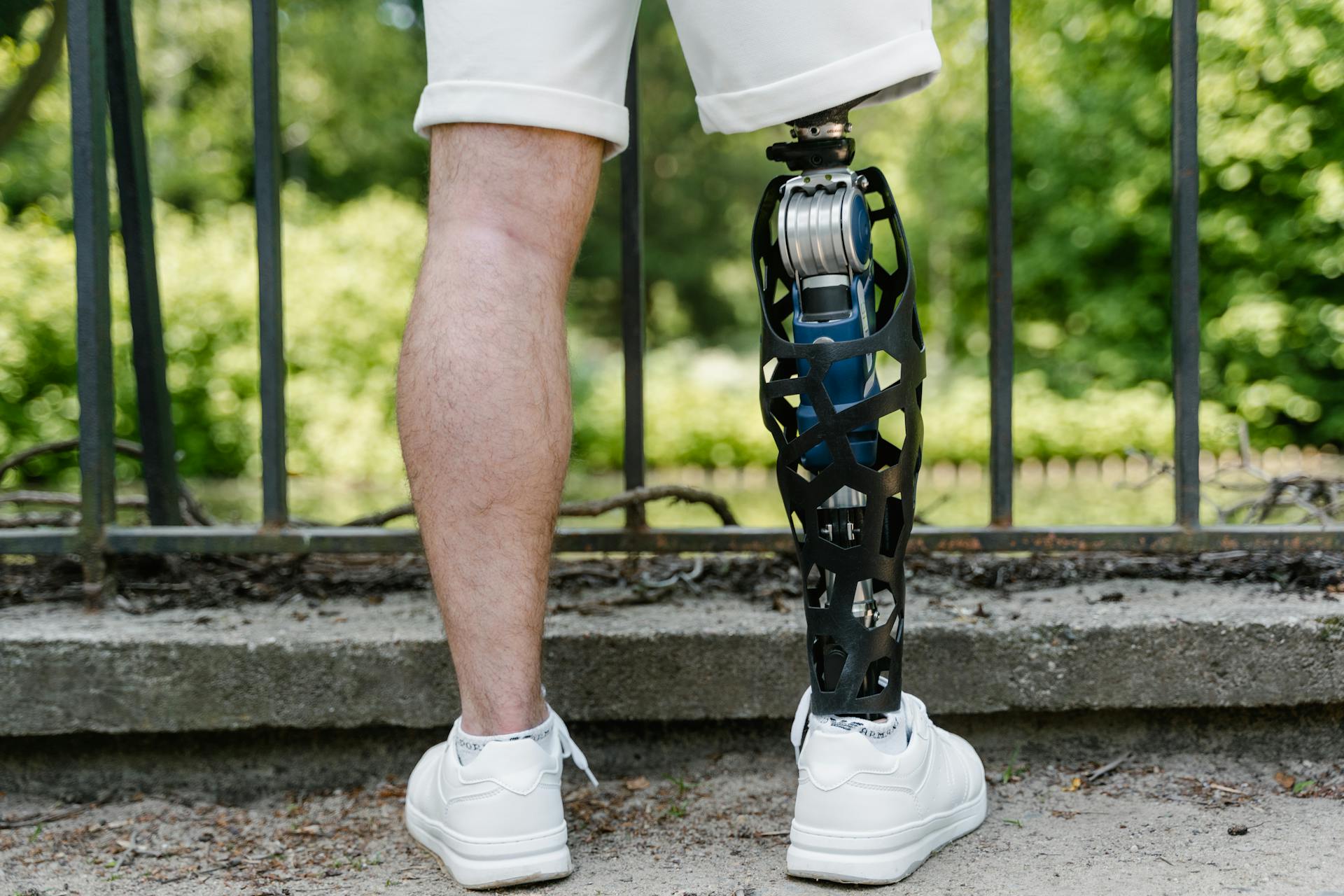
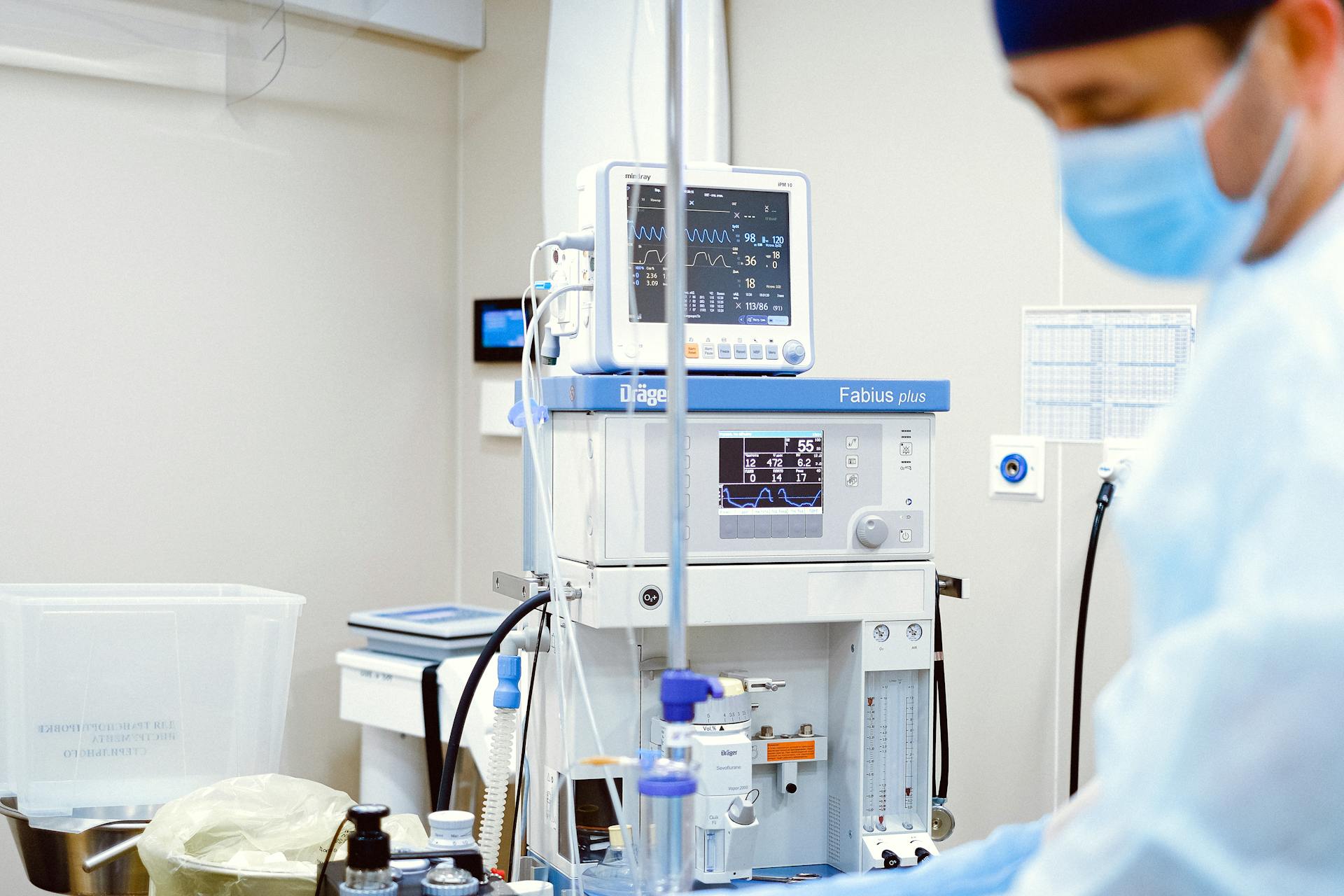
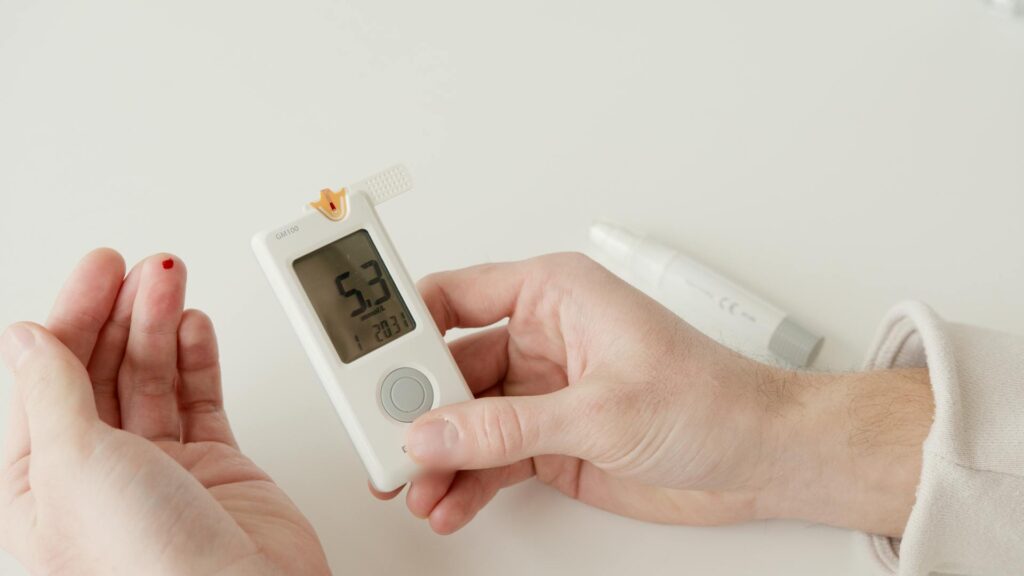
Home healthcare devices are revolutionizing how chronic conditions are managed by providing patients with easy access to medical monitoring tools within their own homes. These devices range from simple tools like blood glucose monitors and smart thermometers to more advanced technologies such as wearable heart rate monitors and continuous glucose monitoring systems. With the push towards remote patient care, these devices allow individuals to track key health metrics, such as blood pressure, blood sugar levels, heart rate, and oxygen saturation, in real time.
Recent technological advancements have made these devices more reliable, accurate, and affordable. Sensors are becoming more precise, battery life has improved, and mobile apps now seamlessly integrate with devices to provide users with intuitive interfaces. Cloud platforms also enable patients to store and track their data over time, further enhancing the utility of these devices for both everyday monitoring and long-term health trends. As the demand for remote care increases, the market for home healthcare devices is seeing significant growth, with innovations in wearables, telemedicine, and smart home technologies. This adoption trend is not just driven by consumers but is increasingly supported by healthcare providers who recognize the role these devices play in managing chronic diseases outside the traditional clinical settings.
Improved Monitoring and Data Collection
One of the most significant benefits of home healthcare devices is their ability to offer continuous monitoring, a crucial element in managing chronic conditions. For example, blood pressure cuffs, glucose meters, and pulse oximeters allow patients to regularly check vital health parameters, providing critical insights into their condition. This continuous flow of data not only offers a snapshot of a patient’s current state but also helps in identifying patterns or irregularities over time. For individuals managing chronic conditions such as hypertension or diabetes, early detection of potential complications can make all the difference in preventing more severe issues, such as heart attacks, strokes, or diabetic emergencies.
Devices like the Withings BPM Connect, a smart blood pressure monitor, or the Abbott Freestyle Libre, a continuous glucose monitoring system, are designed to collect real-time data and transmit it directly to mobile apps. These devices alert both patients and healthcare providers when readings fall outside the normal range, enabling timely interventions. By identifying health trends early, patients can adjust their lifestyle, medication, or treatment plan, potentially avoiding hospitalization or other expensive medical interventions.
Enhanced Communication with Healthcare Providers
Remote monitoring capabilities provided by home healthcare devices have opened up a new realm of patient-provider communication. These devices often come with the ability to sync data with mobile apps or cloud platforms, allowing healthcare providers to remotely monitor their patients’ conditions in real time. This feature significantly reduces the need for frequent in-person visits, which is particularly beneficial for individuals with mobility issues or those who live in rural areas. Through secure communication channels, providers can review patients’ health data, offer feedback, or make adjustments to treatment plans without requiring the patient to leave their home.
In turn, patients benefit from more personalized, proactive care. Regular check-ins, facilitated by device-synced data, allow healthcare providers to stay ahead of any potential issues, adjusting medications, or providing advice as needed. For example, if a patient’s blood pressure readings are consistently high, their doctor can quickly recommend changes to their medication or diet, reducing the risk of a major health event. This ability to stay connected without the need for constant face-to-face appointments enhances both the patient’s experience and the overall efficiency of the healthcare system.
Personalized Care and Treatment Adjustments
Home healthcare devices are key in creating personalized care plans that can be adjusted in real time based on continuous monitoring. Devices like the Omron HeartGuide, a wearable blood pressure monitor, allow patients to collect valuable data on their health, which can then be analyzed to create a treatment strategy tailored to their needs. For instance, patients with hypertension can monitor their blood pressure throughout the day, allowing their doctor to fine-tune their medication or lifestyle changes accordingly.
The feedback loop created by real-time data is vital for chronic condition management. If a patient is struggling to keep their blood sugar levels stable, a continuous glucose monitor can alert both the patient and their doctor, prompting them to adjust their diet, exercise, or insulin regimen. For many patients, this personalized approach improves adherence to treatment plans, as they feel empowered by their ability to actively participate in managing their health.
Increased Patient Engagement and Education
The convenience and accessibility of home healthcare devices are not just about data collection—they also play a crucial role in educating patients about their conditions. Many devices are equipped with features that track long-term trends, offer health insights, and provide tips for better managing chronic conditions. For example, a smart glucose meter might display a patient’s blood sugar levels alongside dietary recommendations or remind them to take their medication at specific times. This type of educational support helps patients understand the “why” behind their treatment, fostering greater engagement and compliance.
As patients track their health metrics daily, they become more attuned to their bodies and gain a better understanding of how various factors—such as diet, exercise, stress, or sleep—impact their condition. This enhanced awareness can lead to improved decision-making, as patients make adjustments to their lifestyle that align with their health goals. With better education and more control over their health, patients feel empowered to take an active role in managing their chronic conditions, leading to better overall outcomes.
Convenience and Cost-Effectiveness
Home healthcare devices not only offer convenience to patients but also create substantial cost savings for both individuals and the healthcare system. By reducing the need for frequent in-person doctor visits, patients can manage their chronic conditions without taking time off work or arranging transportation. This is particularly beneficial for those with busy lifestyles or those who live in remote areas. The ability to monitor their health at home eliminates the hassle and expense of regular clinic visits, making it easier to stick to treatment regimens.
From a systemic perspective, these devices also contribute to significant cost savings by preventing complications that often lead to hospitalizations. For instance, continuous monitoring can help identify health issues early, reducing the need for emergency care. By preventing hospital readmissions or the need for intensive treatments, home healthcare devices are not only improving patient outcomes but also lowering healthcare costs on a larger scale.
Challenges and Considerations
Despite the numerous benefits, there are several challenges to the widespread adoption of home healthcare devices. One of the main barriers is cost—some devices, especially advanced ones, can be expensive, which may make them inaccessible to certain populations. Additionally, the complexity of some devices may pose a challenge for individuals who are not tech-savvy. To overcome this, healthcare providers can play a pivotal role in offering guidance and support to patients as they navigate these technologies.
Privacy and security concerns also arise when health data is stored and transmitted through digital platforms. Ensuring that personal health data is securely managed and protected from unauthorized access is critical. It is important for both manufacturers and healthcare providers to adhere to strict data protection protocols to maintain patient trust.
Conclusion
Home healthcare devices are transforming the management of chronic conditions, empowering patients to take control of their health like never before. By providing continuous monitoring, enabling better communication with healthcare providers, and offering personalized care, these devices are changing the way chronic conditions are treated. As technology continues to advance, the future of home healthcare holds even greater potential for improving patient outcomes and reducing healthcare costs. It’s time for both patients and healthcare professionals to embrace these tools and unlock a new era of empowered, proactive healthcare.
Frequently Asked Questions (FAQs)
1. What types of home healthcare devices are available for managing chronic conditions?
There are various home healthcare devices designed for chronic condition management, including blood glucose monitors for diabetes, blood pressure cuffs for hypertension, pulse oximeters for monitoring oxygen levels, and wearable devices like heart rate monitors. These devices can help track key health metrics and provide real-time data to patients and healthcare providers.
2. How do home healthcare devices help in early detection of complications?
Home healthcare devices allow continuous monitoring of vital health parameters, such as blood pressure, glucose levels, and oxygen saturation. By regularly tracking these metrics, patients and healthcare providers can detect irregularities or trends that may indicate the onset of complications. Early detection allows for timely interventions, which can prevent more serious health issues and hospitalizations.
3. Can home healthcare devices replace in-person doctor visits?
While home healthcare devices significantly reduce the need for frequent in-person visits, they do not replace the need for regular consultations with healthcare providers. These devices allow for remote monitoring, but doctors still need to review the data, provide guidance, and make treatment adjustments. They enhance the care process but should be used in conjunction with regular check-ups.
4. Are home healthcare devices difficult to use?
Many home healthcare devices are designed to be user-friendly, with simple interfaces and instructions. However, some advanced devices may require a bit of technical know-how. Healthcare providers can help patients become familiar with the devices and provide support to ensure they are used correctly and effectively.
5. How secure is the data collected by home healthcare devices?
Data security is a top priority for reputable home healthcare device manufacturers. Most devices use encryption and secure cloud storage to protect patient data. However, patients should always ensure that their devices are from trusted manufacturers and verify that privacy measures are in place. Healthcare providers also play a key role in ensuring that patient data is handled securely.
6. Are home healthcare devices covered by insurance?
Insurance coverage for home healthcare devices varies depending on the device and the insurance provider. Some devices, like blood glucose monitors, may be partially or fully covered under health insurance plans, while others may not be. It’s important for patients to check with their insurance provider to determine what devices are covered and what costs may be involved.
7. How do home healthcare devices improve patient engagement?
Home healthcare devices empower patients by giving them control over their own health data. With real-time feedback, patients are more aware of how their actions, such as diet or medication, affect their health. This increased awareness encourages them to take an active role in managing their condition, leading to better adherence to treatment plans and improved overall health outcomes.
8. Can home healthcare devices save money on healthcare costs?
Yes, home healthcare devices can save money by reducing the need for frequent doctor visits and preventing hospitalizations through early detection of potential complications. By providing real-time health data, these devices enable timely interventions, which can prevent costly emergency care or hospital stays.
9. What should I do if my home healthcare device shows abnormal readings?
If a device shows abnormal readings, it’s important to follow the manufacturer’s instructions and consult with your healthcare provider immediately. Many devices are designed to alert patients when readings fall outside the normal range, and healthcare providers can help interpret the data and recommend appropriate steps, including adjustments to treatment or medication.
10. Will home healthcare devices continue to improve in the future?
Yes, as technology advances, home healthcare devices will continue to improve in terms of accuracy, functionality, and ease of use. We can expect devices to become even more integrated with mobile apps, cloud platforms, and artificial intelligence, offering even more personalized and real-time healthcare management options for patients.